Dig-out, base, forms, steel, pour, cure
Concrete Contractors in Salt Lake City, Utah
Driveways, patios, walkouts, walls, footings and commercial slabs, built step by step. Call for a free estimate.
Salt Lake City, Murray, West Jordan, Sandy, Draper, Lehi, Provo, Tooele and 28 more towns
Tell us about the job
Say what you want built, where it goes and about how big. The contractor phones you, runs through the scope and books a site walk.
- Free estimates
- Residential and commercial
- Built in the right order
- Flatwork to foundations
A rough size is enough to start. Estimates are free.
Seven steps under every slab we pour
Every concrete job in Salt Lake City goes together in the same order. Dig-out. Base. Forms. Steel. Pour. Joints. Cure. Skip one and the job tells on you, usually by the second winter. A driveway that drops at the garage door had a weak base. A patio cracked corner to corner had no joints, or joints in the wrong place. A step that flakes had the wrong mix or salt too early. Salt Lake City Concrete Contractors builds driveways, patios, walk-out basements, retaining walls, foundations and commercial concrete across the valley, and each one follows that sequence.
The first three steps happen before any concrete shows up. The dig-out goes past sod, topsoil and anything soft. Across a lot of the valley floor, that means old lake-bottom clay and silt that holds water and swells and shrinks with it. The base is gravel, laid in lifts and compacted until the plate stops sinking. Then the forms go in, and the forms set everything you will live with: the finished height, the edges, and the fall that sends water off the slab before it can sit there and freeze.
The last four steps happen in about a week. Steel rides on chairs, which holds it at mid-depth instead of letting it sink into the gravel. Outdoor concrete gets an air-entrained mix, full of tiny bubbles that give freezing water somewhere to go. Joints get cut or tooled early, so the slab cracks along lines we picked. Then it cures, kept damp or coated so it does not dry out too fast in the Utah sun. Before you hire anyone, ask how they handle each of those seven steps. The answers tell you a lot.
What we build
Six kinds of work, one way of building
Flatwork, walls and structural concrete for homes and businesses, each one built from the ground up in the same order.
Concrete Driveways
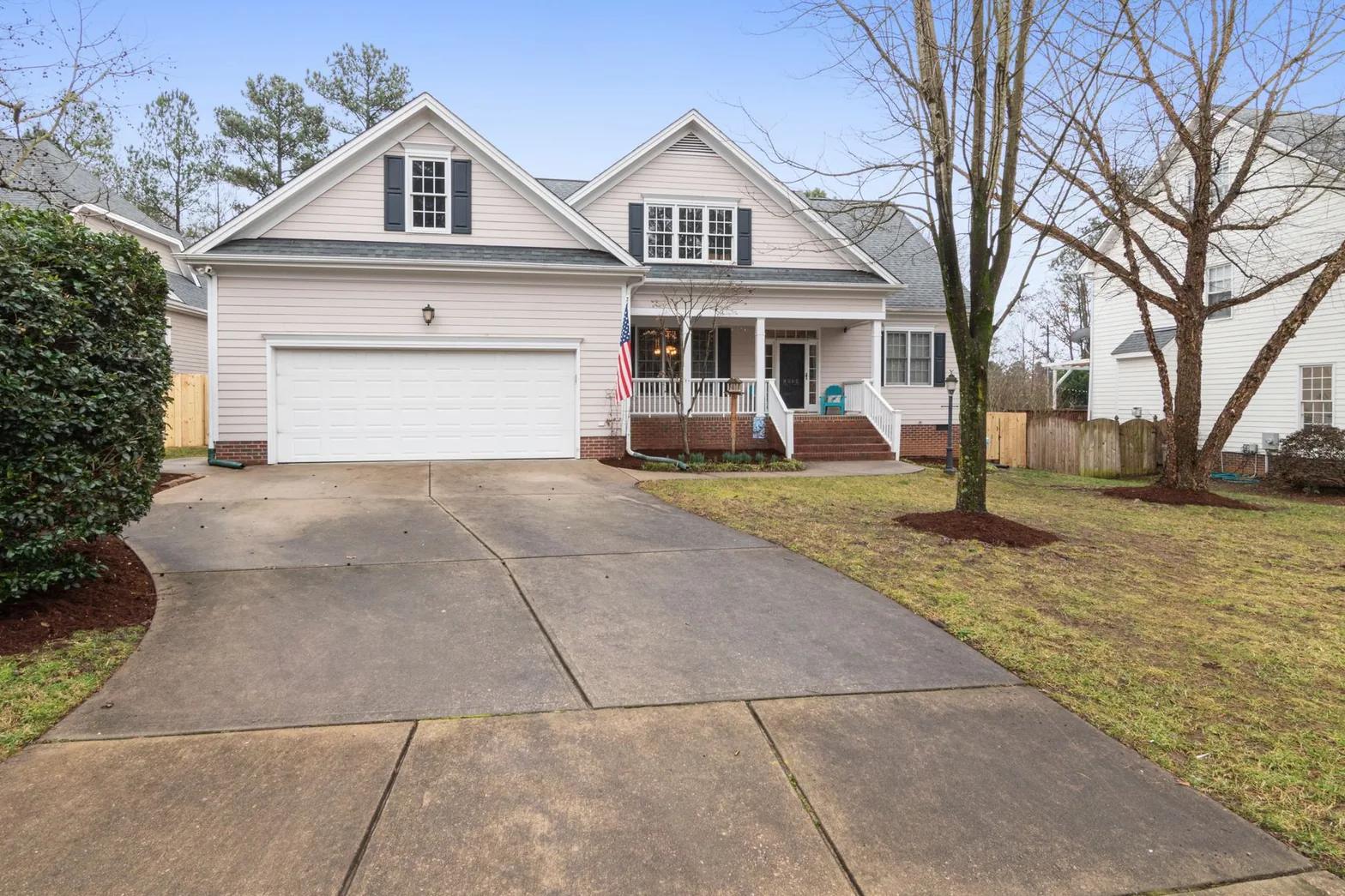
New driveways, replacements, extensions and RV pads, with the base and thickness matched to what parks on them.
More on concrete driveways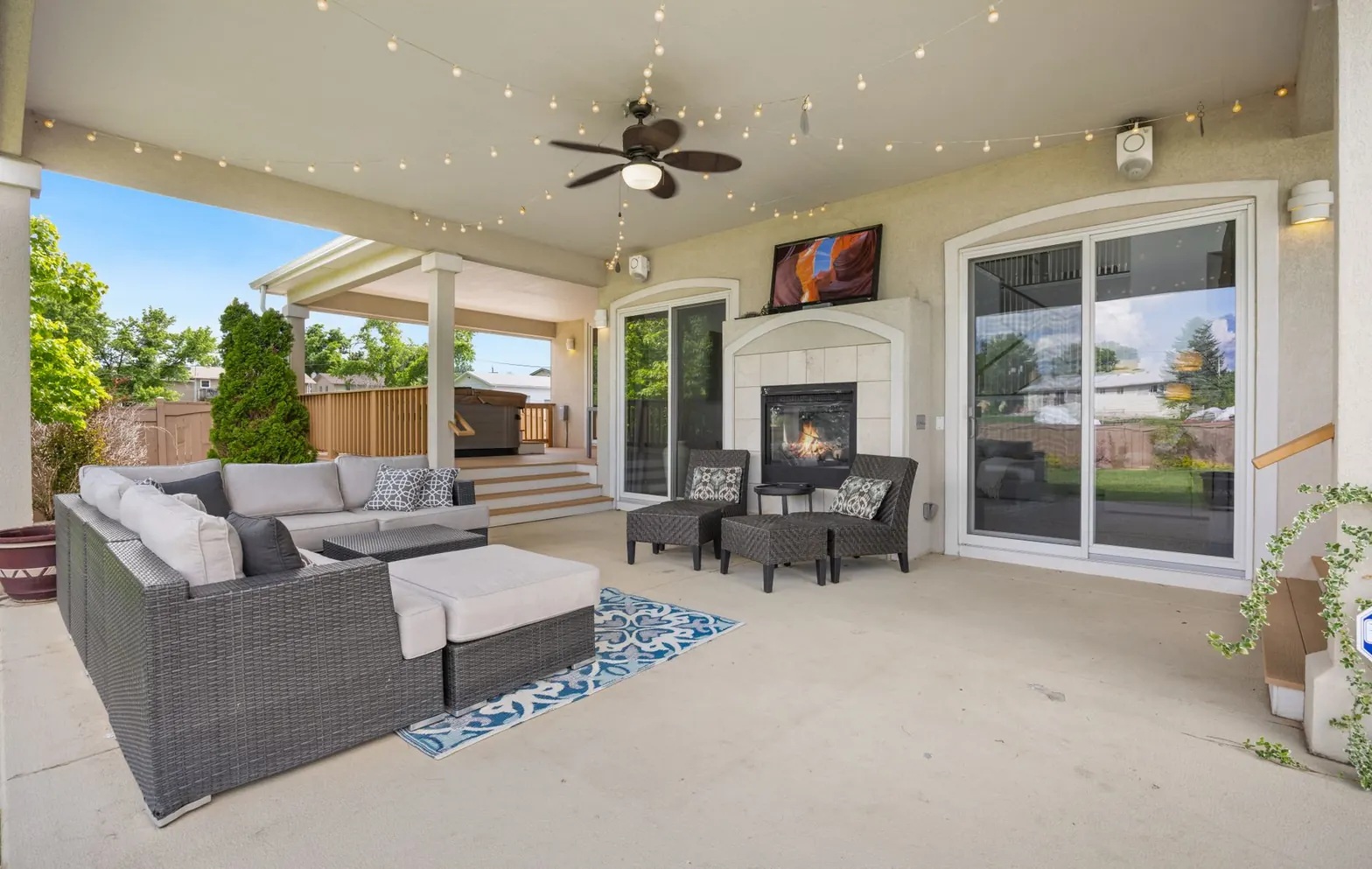
Concrete Patios
Back patios, side yards and patio extensions in broom, color or stamped finishes, sloped so water leaves the house.
More on concrete patios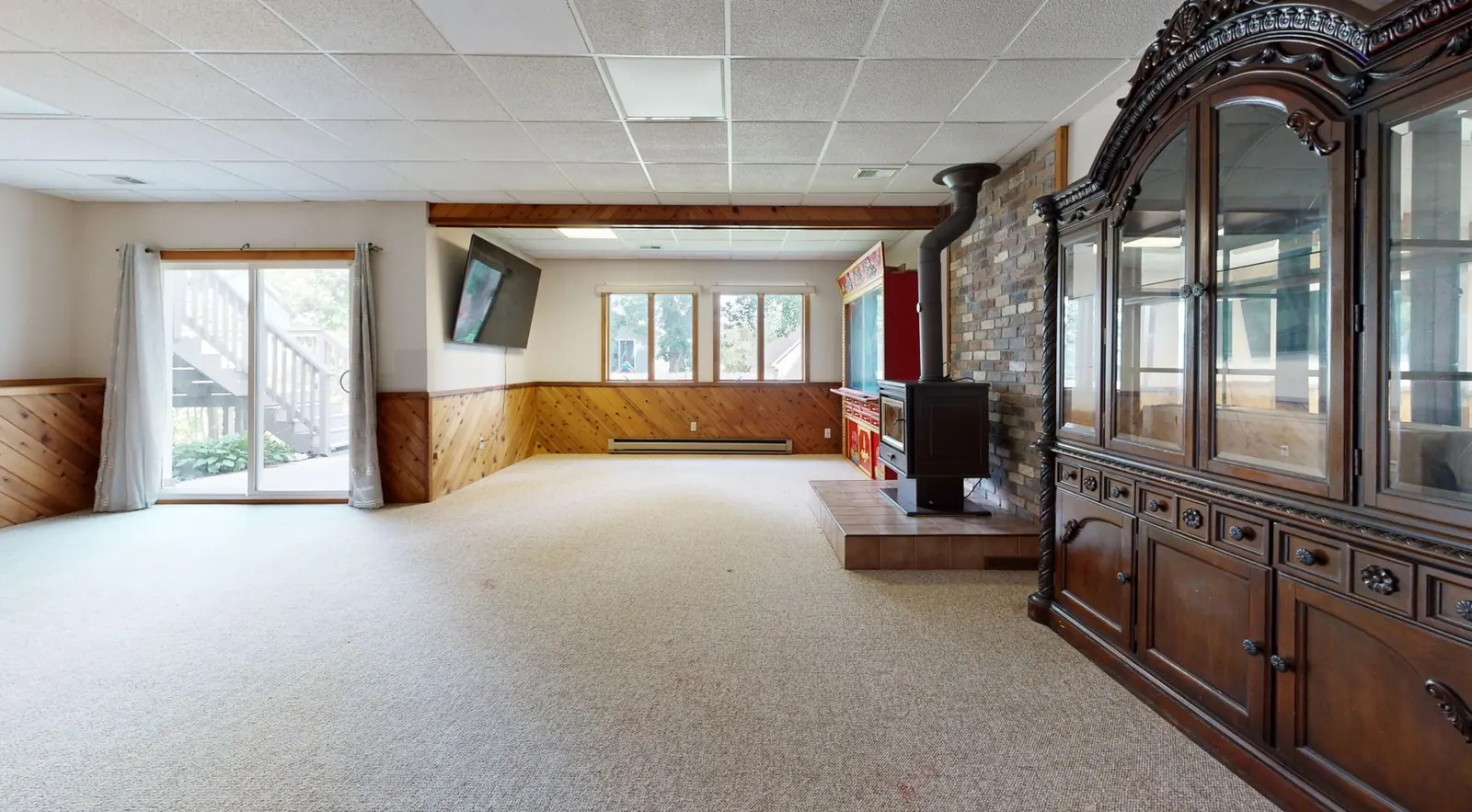
Walk-Out Basements
A new exterior entrance cut into a basement wall, with the dig-out, stairwell, drain and side walls built around it.
More on walk-out basements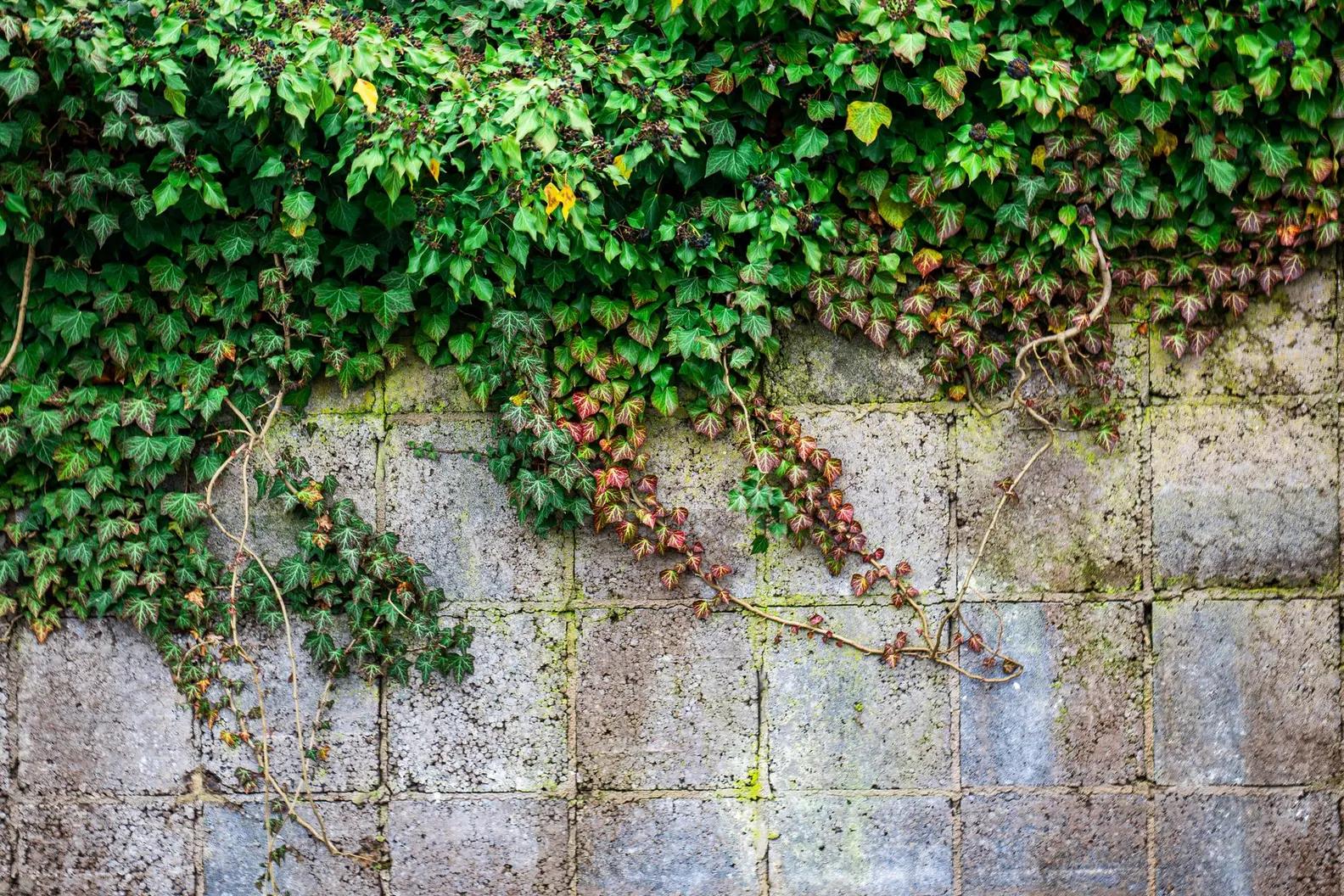
Retaining Walls
Block and poured concrete retaining walls with a real base and drainage behind them, for slopes, terraces and cuts.
More on retaining walls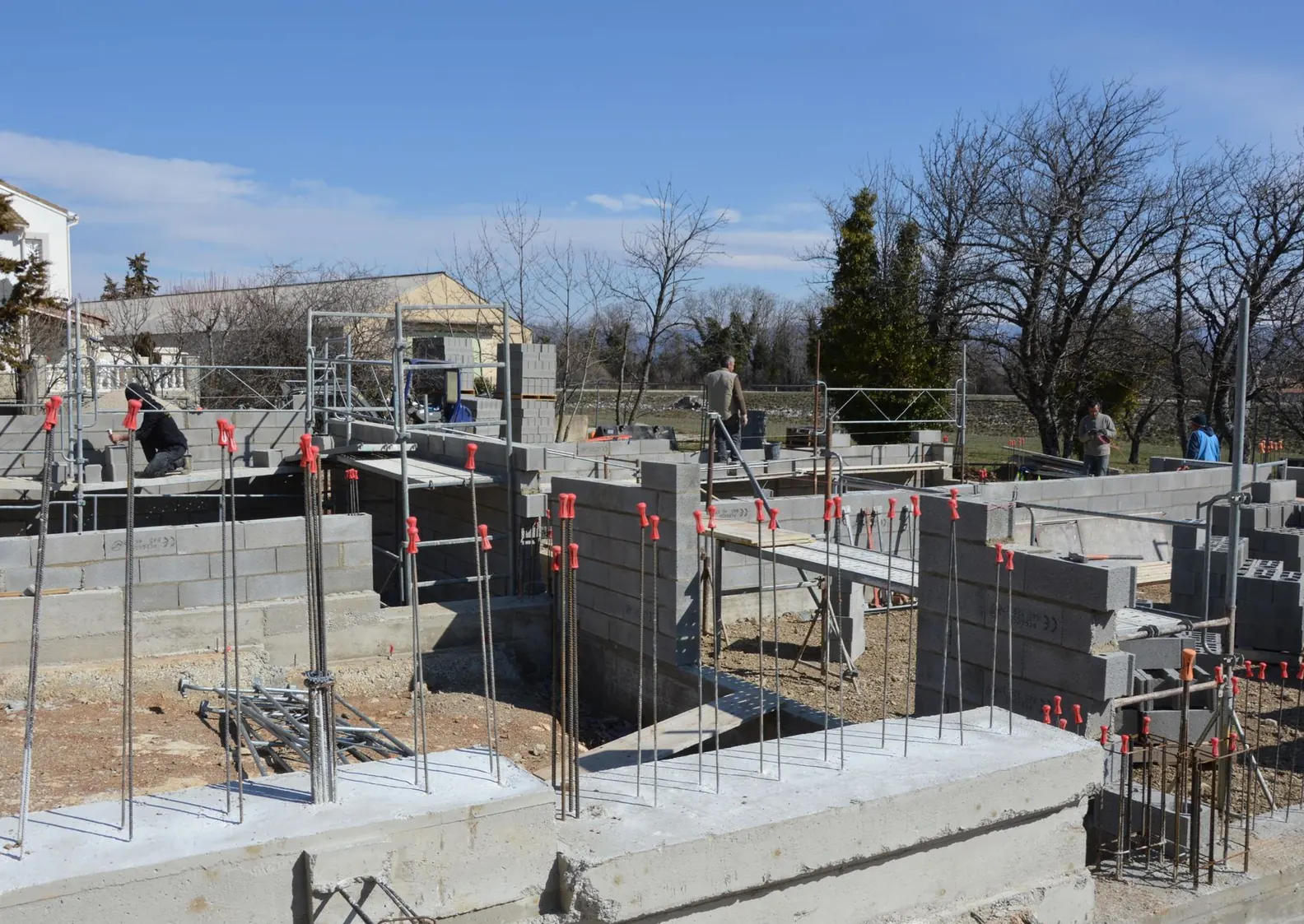
Foundations & Footings
Footings and foundation walls for detached garages, additions, shops, sheds and deck posts, set below frost depth.
More on foundations & footings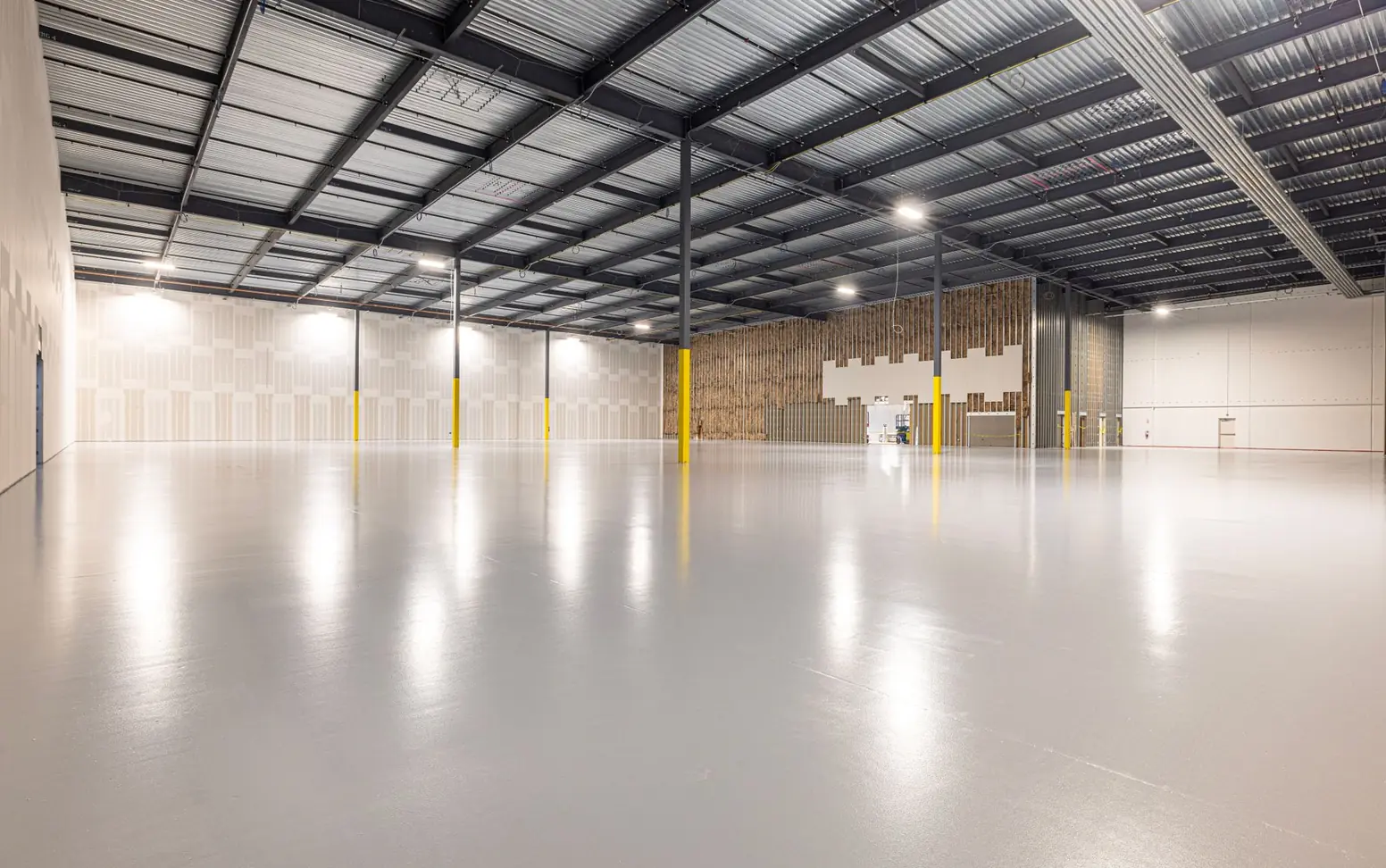
Commercial Concrete
Sidewalks, curb, dumpster and equipment pads, slabs and footings for stores, offices, shops and rental properties.
More on commercial concrete
Examples
Driveways, walls and footings, start to finish
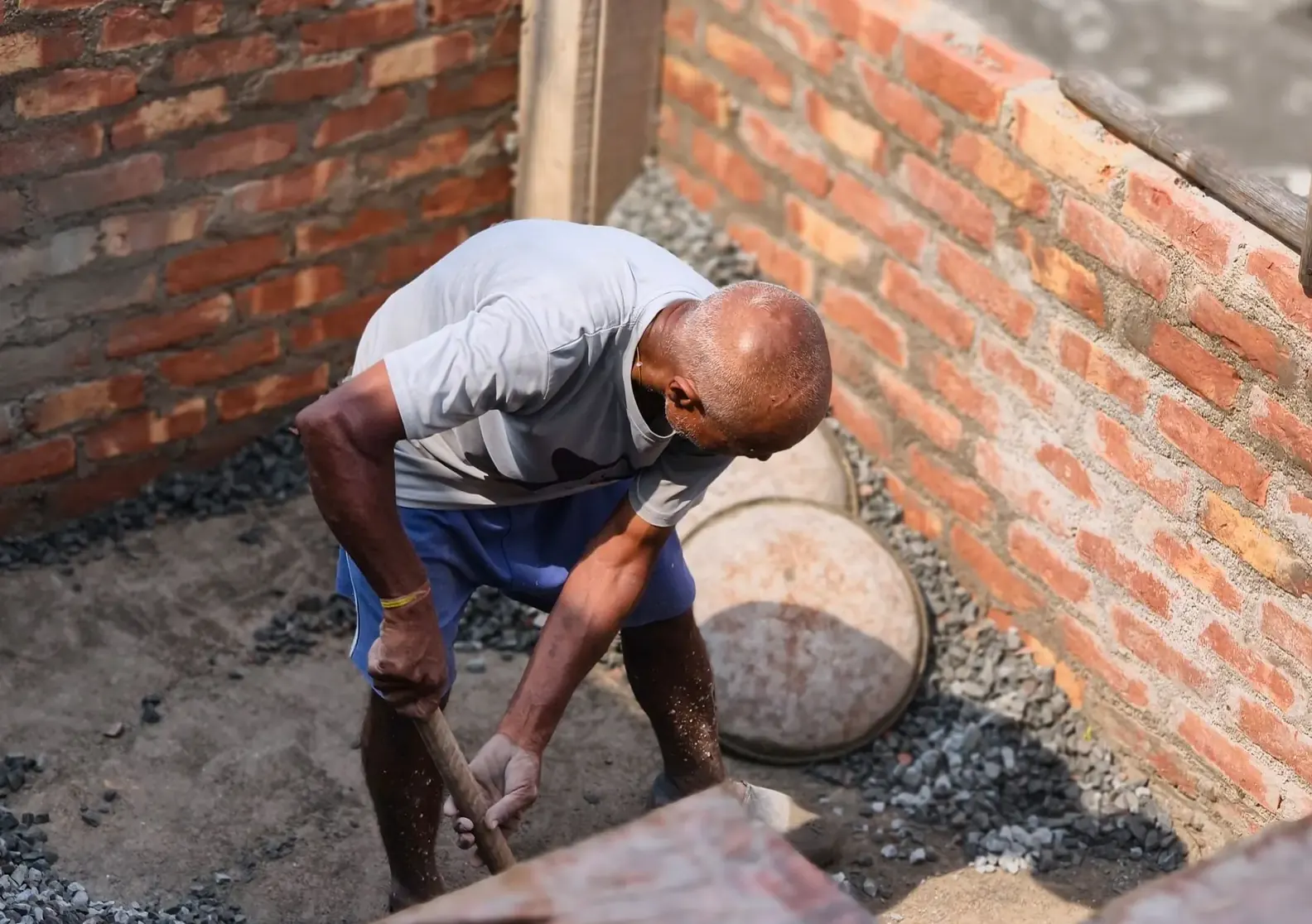
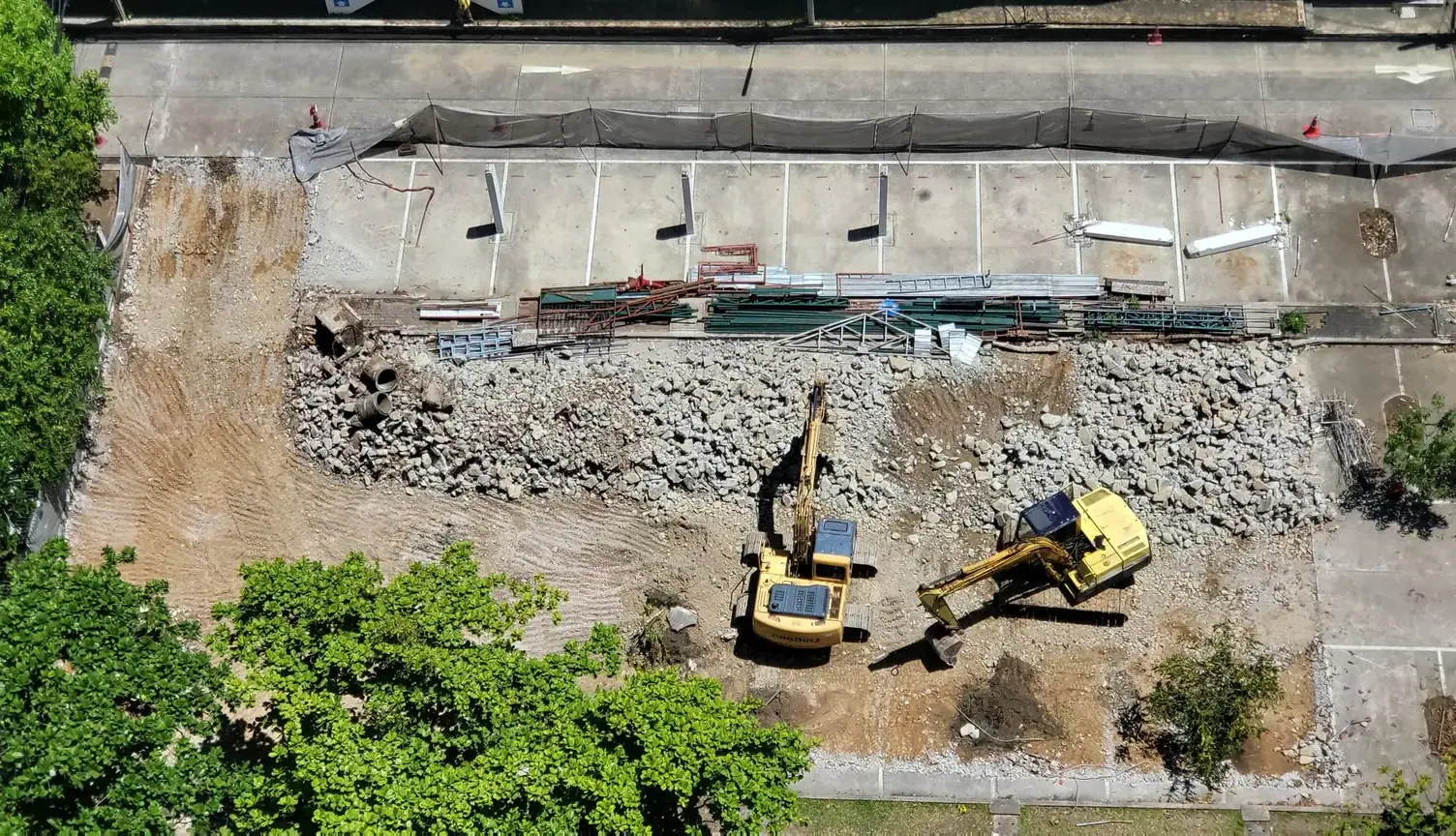
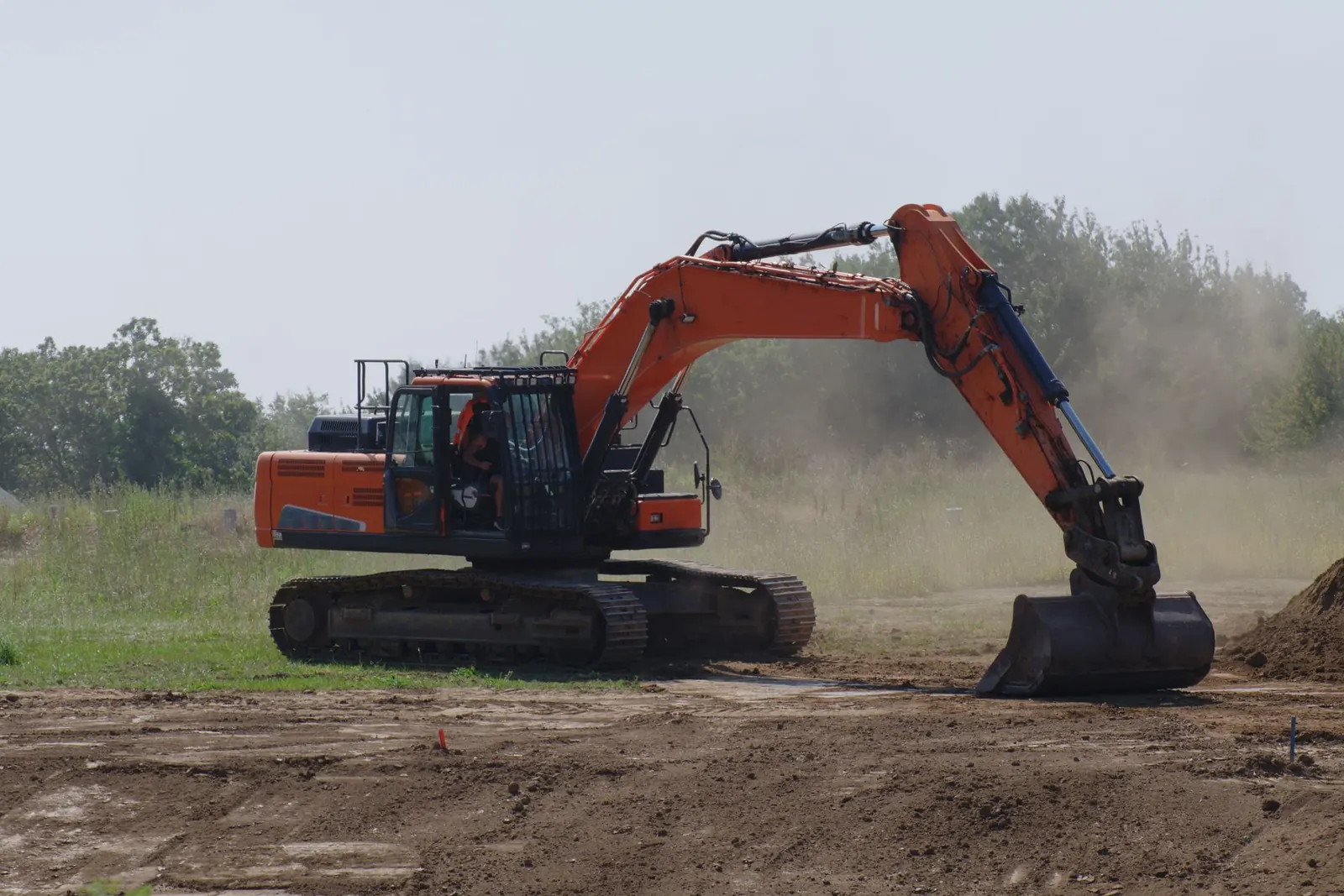
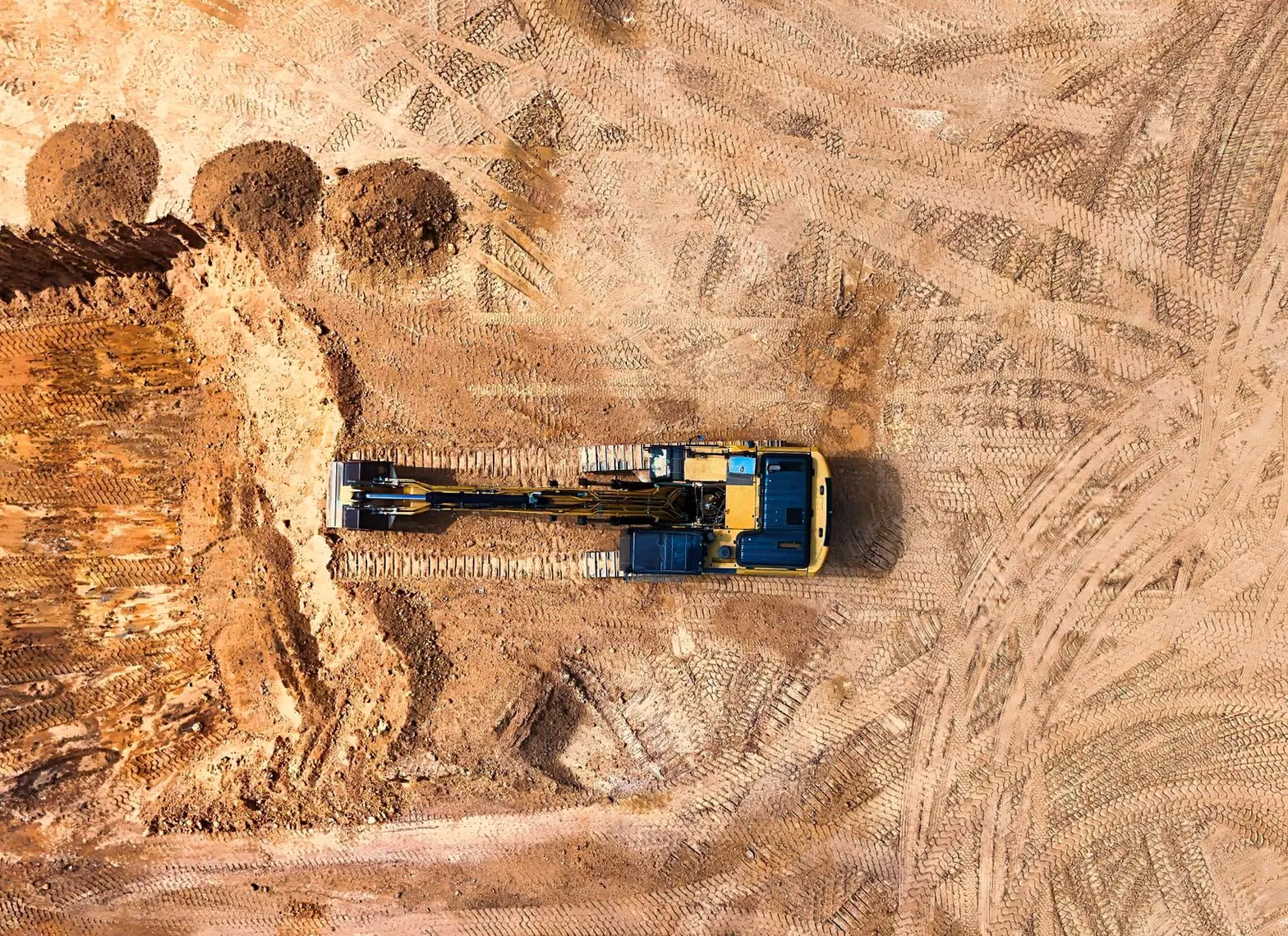
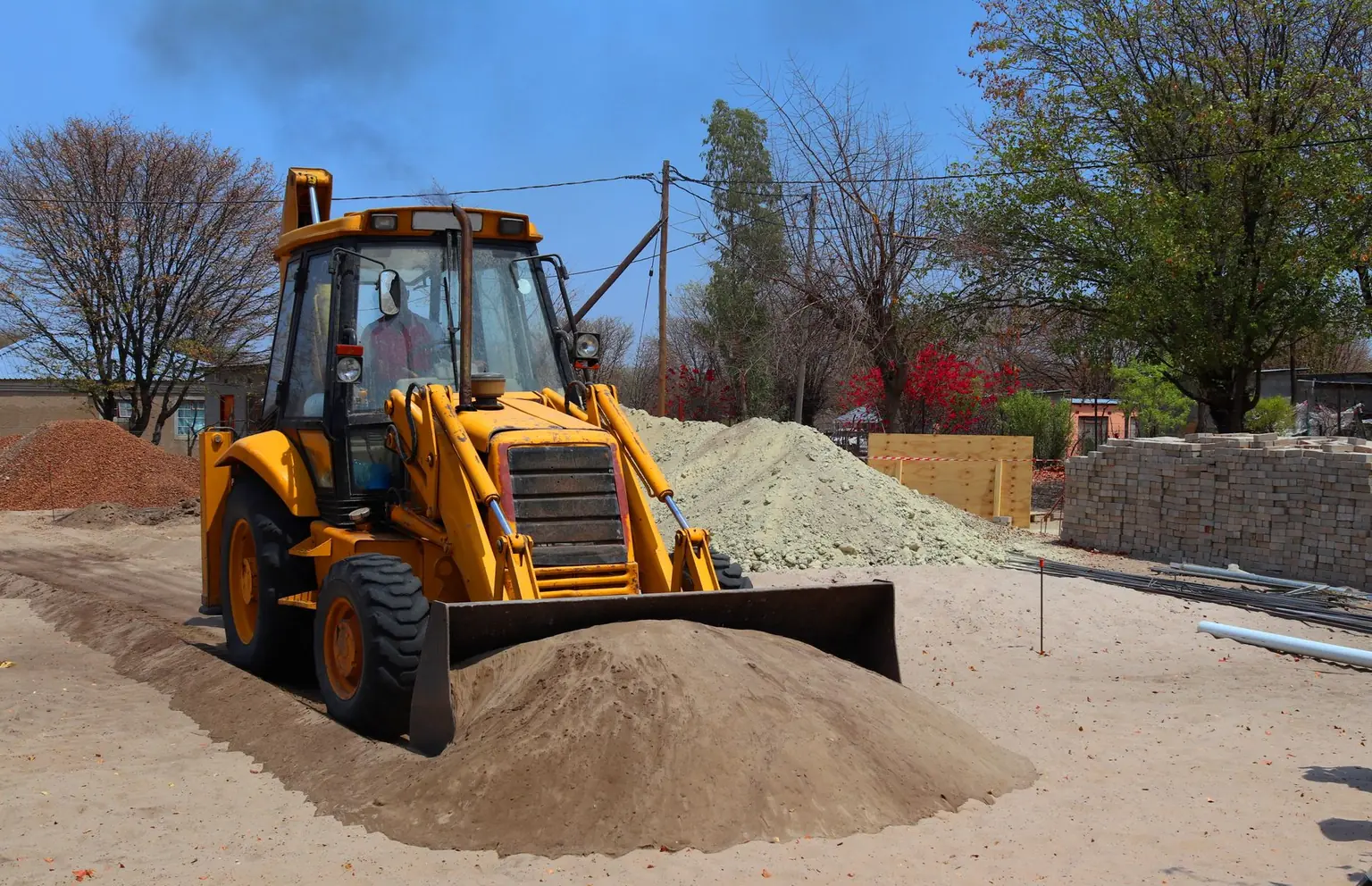
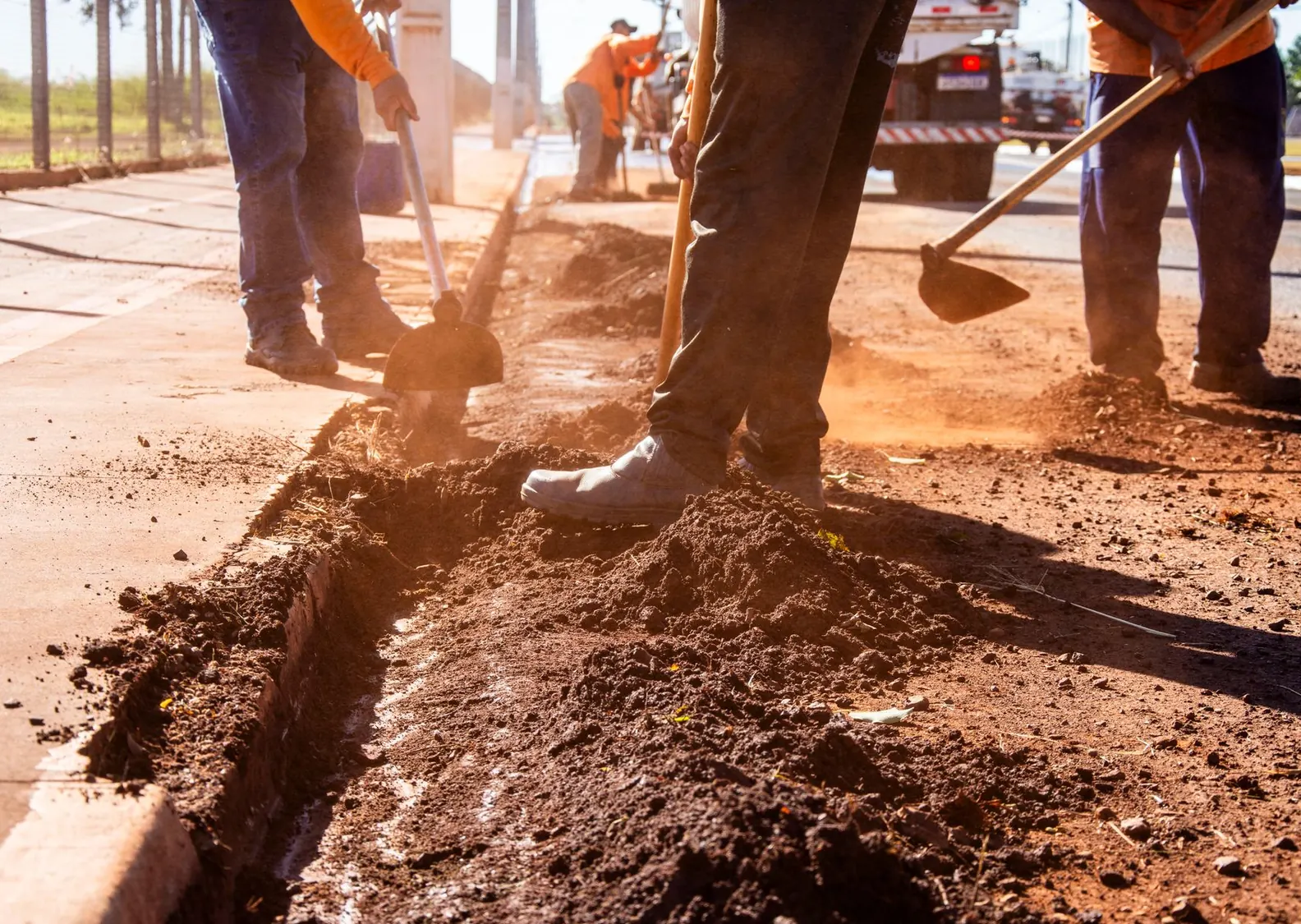
Stock photos: examples of the work type.
How it works
From phone call to finished pour
- 1
Tell us the job
Phone or use the form. Say what needs building, where on the lot it goes and roughly the size.
- 2
Walk the site
The contractor calls back and sets a time to look. Access for the truck, the grade, the drainage and what is in the ground now all get checked.
- 3
Get the scope
Your free estimate names the dig-out, base, thickness, steel and finish, so you can hold it up against any other bid.
- 4
Build it in order
Lines get marked, permits get pulled where the job needs them, and the work runs dig to cure in sequence.
Good to know
Four questions to ask any contractor before you sign
What is under it?
Ask how deep the gravel base goes and how it gets compacted. On clay or new-subdivision fill, a firm subgrade and a few inches of packed gravel do more for a slab than extra concrete on top. If the answer is that they pour on whatever is there, keep looking.
How thick, and where?
Typical residential flatwork is 4 inches. Where an RV, a trailer or a work truck will park, ask for 5 or 6 inches there, with the edges thickened. A good answer names the thickness for each part of the job, not one number for all of it.
Where do the joints go?
Concrete cracks. Control joints decide where. Ask to see the joint layout before the pour, with panels kept close to square, and ask when the saw cuts happen. A cut made too late is just a line drawn next to the crack.
Who pulls the permit?
A new driveway approach in the right-of-way needs a city permit. A walkout opening usually needs a building permit and an engineer's letter, and a tall wall may need a design. Ask who handles each one, and who calls 811 so Blue Stakes marks the lines.
Service area
Salt Lake City plus 35 towns we cover
We take concrete work from Salt Lake City south through Sandy, Draper and Lehi to Provo, and west to Magna, Tooele and Stockton. Every town on the list below gets the same build sequence.
Salt Lake County
Tooele County
Questions
Straight answers on concrete in the valley
How do you build concrete for Salt Lake winters?
With four habits. Outdoor slabs get an air-entrained mix, the base drains, the surface slopes so meltwater runs off instead of refreezing, and footings go below the frost line, roughly 30 inches deep in most of the valley. Keep de-icing salt off new concrete its first winter. Later, a penetrating sealer helps against the brine that drips off cars.
Who handles permits, HOA paperwork and Blue Stakes?
We sort it out with you before the dig. Anything in the city's right-of-way, the approach at the street for example, takes a permit from the city that owns it, and structural jobs like walkout openings, foundations and tall retaining walls usually go through the building department. If you have an HOA, get its sign-off on size and color first. Then 811 gets called so Blue Stakes can mark buried lines.
What decides what a concrete job costs?
Size first, then everything around it. Tear-out and haul-off of old concrete, how much dig-out and base the ground needs, thickness and steel, forming for steps or walls, the finish, access for the truck or a pump, and permits all move the number. A free estimate breaks those pieces out for your job.
Which towns do you work in?
Salt Lake City plus 35 towns. In Salt Lake County that includes West Valley City, Millcreek, Holladay, Murray, Taylorsville, West Jordan, Sandy, Draper, Riverton, Herriman and Bluffdale. In Utah County it runs from Lehi and American Fork to Orem and Provo, and in Tooele County it covers Tooele, Erda and Stansbury Park. The service areas page has the full list.
How long does a job take, and when can you pour?
A typical driveway or patio is a few working days of site work, then about a week before you drive or set heavy furniture on it. Walkouts, foundations and walls run longer because of digging, inspections and engineering. Flatwork is mostly poured spring through fall. Footings and foundations keep going in winter with blankets and protected ground, never on frozen dirt.
Will my new concrete crack?
Probably a little, and that is normal. Concrete shrinks as it cures, which is why control joints get cut: the crack forms inside the joint where you cannot see it. Cracks that wander across panels, open wide or shift in height point to a base or drainage problem, and that is what the dig-out and base steps are there to prevent.
Can you take out the old concrete first?
Yes. Removal and haul-off are part of most replacement jobs. We saw-cut a clean edge where new meets old, break out the slab, haul it away and then look at what was under it, because the old base usually explains why the old slab failed.
Tell us what you want built
Phone us or fill in the form. The contractor rings back, asks what matters and picks a day to walk the job with you.